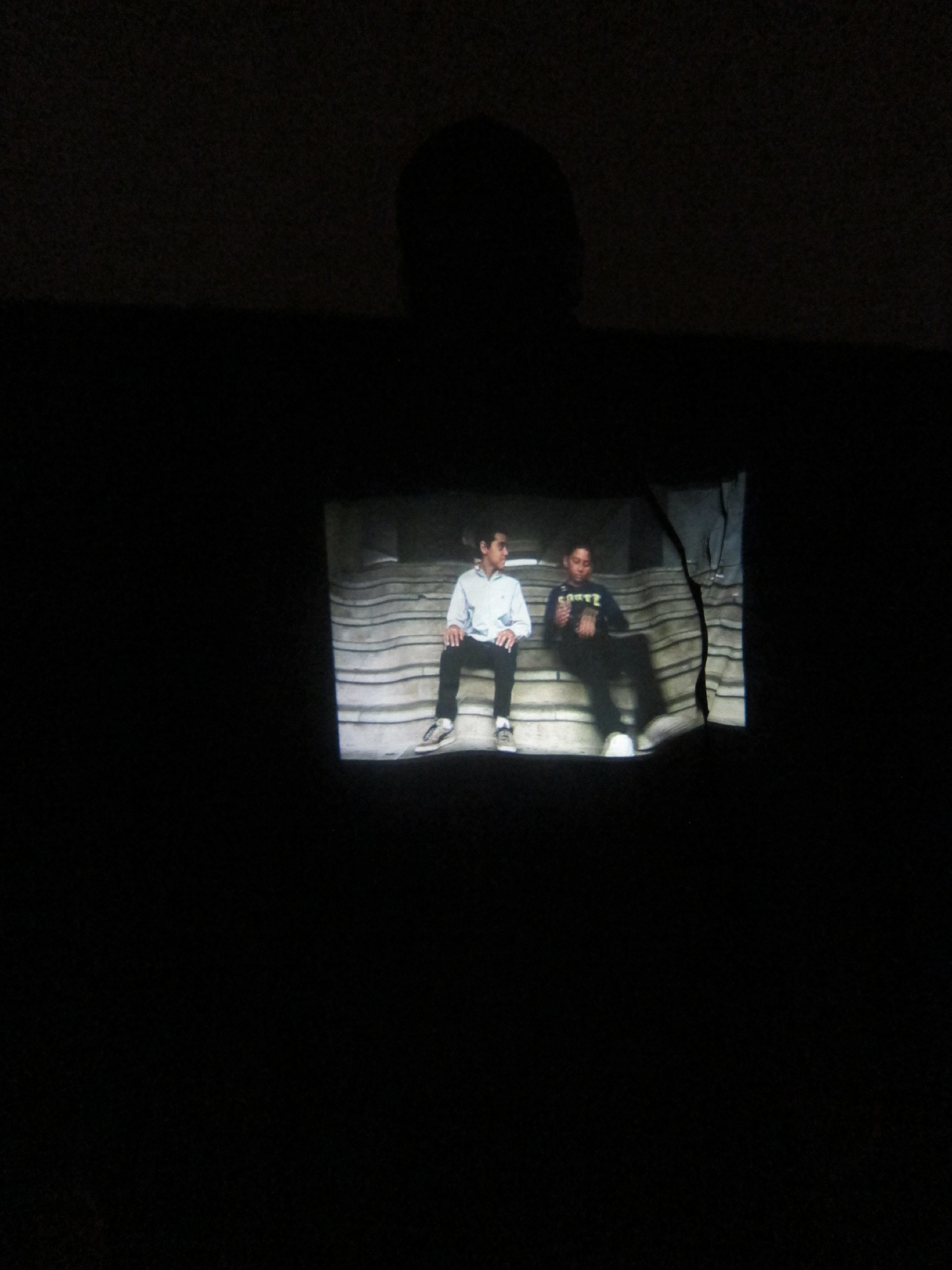
Narrative technique aimed at creating a physical and emotional connection between the viewer and the characters by evoking a shared sensory experience, despite the absence of direct contact with the screen. A subtle method to anchor bodily empathy.
We want to involve the viewers
When embarking on a film project, there is always the desire for the film to resonate with the viewer, to make them feel engaged, invested, and empathetic. We want them to experience strong emotions, whether joy, fear, clarity, or something else. A significant portion of the narrative techniques we deploy aim to immerse the viewer as deeply as possible in the film. The application of no-contact is one such technique.
By definition, except for some very rare experimental cinema experiences, the viewer has no physical contact with the film or video they are watching. Everything is conveyed through sight and hearing, but never through touch. Thus, the viewer is without contact with the film, in the tactile sense, of course, because on screen, they witness numerous physical interactions: characters falling to the ground, the heat of sand, the cold of a freezer, passionate embraces... The viewer can emotionally project themselves onto these contacts, but this projection is inevitably dissonant with what they feel through their own sense of touch. The viewer’s skin only feels the fabric it is in contact with, nothing else.
Sharing the same physical sensation as the character
The application of no-contact is a way to make the viewer feel a physical emotion exactly similar to that of the character on screen. We’ve all experienced this, for example, when two characters communicate through the glass of a visitation room or via video call: we can project a similarity between what our senses tell us and what the characters’ senses tell them. We physically feel the same lack of contact that causes the characters to suffer, or at least that they experience. This is why such scenes always work so well. They apply the no-contact principle. We know that our body feels exactly what the characters’ bodies feel.
This creates moments of sensory synchronicity, which are very useful for the viewer’s emotional engagement with the film. The application of no-contact physically connects us with the imaginary characters.


