The importance of nature in a scenario

8 February 2025. Published by Benoît Labourdette.
  2 min
 |  Download in PDF

How and why involving the natural elements in a script anchors the film in a deep relationship with the viewer.

Our nature mobilized

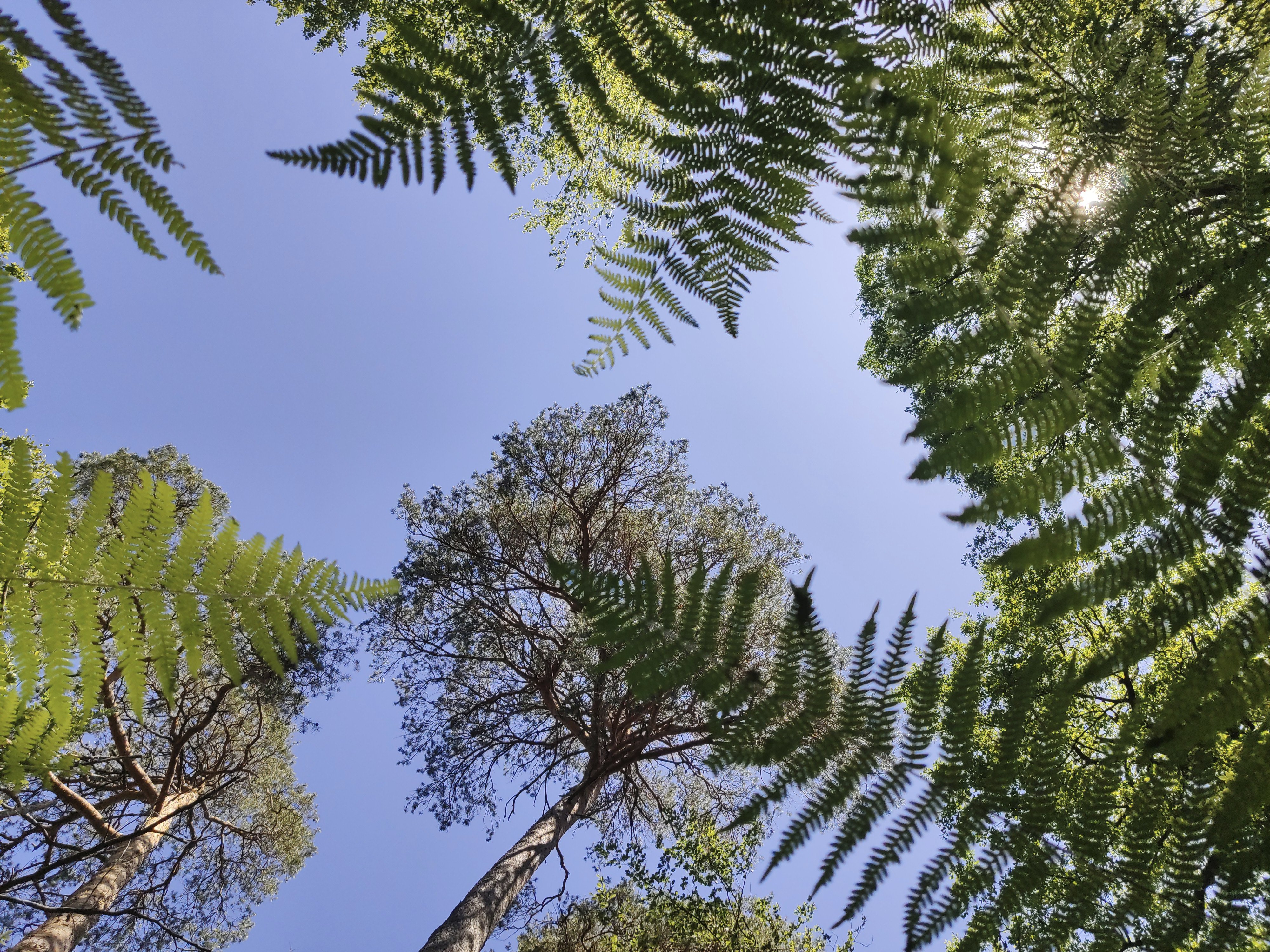
We are living beings who are an integral part of nature. In an unconscious, intuitive and intrinsic way, we all feel the power of our connection to nature, this organic link, this link that is our life itself. So, when writing a film script, even if it’s not an explicitly ecologist film, taking into account the presence and impact of nature on human characters brings something organic and almost supernatural. It makes us feel naturally connected to the film.

How can this be embodied? For example, by working with elements such as heat, cold, wind, rain, noise, insects, animals and the seasons. The fact that, in a story, the presence and action of natural elements on the characters are taken into account makes the film profoundly organic and gives it an anchoring in natural reality, which gives it an astonishing power.

This power is not artificial or manufactured; it emerges naturally from the fact that spectators, through their own sensibility, receive real sensations. Unconsciously, they link what they see to their personal experience, to their life, to their sensory memory. This strengthens their connection with what’s happening in the film’s story.

It’s not a question of dispensing with the dramaturgical work, which the natural elements would compensate for. Nature’s active presence on the human characters in the story being told will engage us in a lived experience, felt when watching the film. In this way, whatever story is told, it anchors itself in the lives of the spectators, in a natural way, and opens us up to our own depths, in the regime of the living.

Tools and Techniques for Screenwriting and Film Project Development.

In our world where artificial intelligences create films directly from the desires of their authors expressed in very few words, in this world where 3.5-hour films in dark theaters coexist with 10-second videos on social networks—which of these require screenplays, why, and what is a screenplay?

Is a screenplay still useful in an era where everyone carries in their pocket audiovisual creation tools of nearly professional quality? What is the purpose of a screenplay?

For writers, directors, producers, and especially content creators, as they are most often called today, I believe that the screenplay, its methods of creation, its writing techniques, and its ways of telling stories, is an extremely powerful tool to help us create the most impactful audiovisual works possible—works that will best connect with their audiences today and tomorrow, across their respective distribution platforms, whether in movie theaters, on television screens, on SVOD platforms, on community video sites, or on new media built exclusively around collaborative video like TikTok.

This guide does not claim to be exhaustive, but it is based on concrete experiences—those I have lived and those I have facilitated. For over 30 years, I have supported thousands of people in making films of all genres, founded and directed several film festivals, created numerous innovative events around audiovisual media, and also served on creative funding committees. What I share here is therefore subjective and practical, drawn from my journey and my observations in practice.


QR Code for this page
qrcode:https://www.benoitlabourdette.com/les-ressources/creer-penser-ecrire-des-scenarii-aujourd-hui/l-importance-de-la-nature-dans-un-scenario