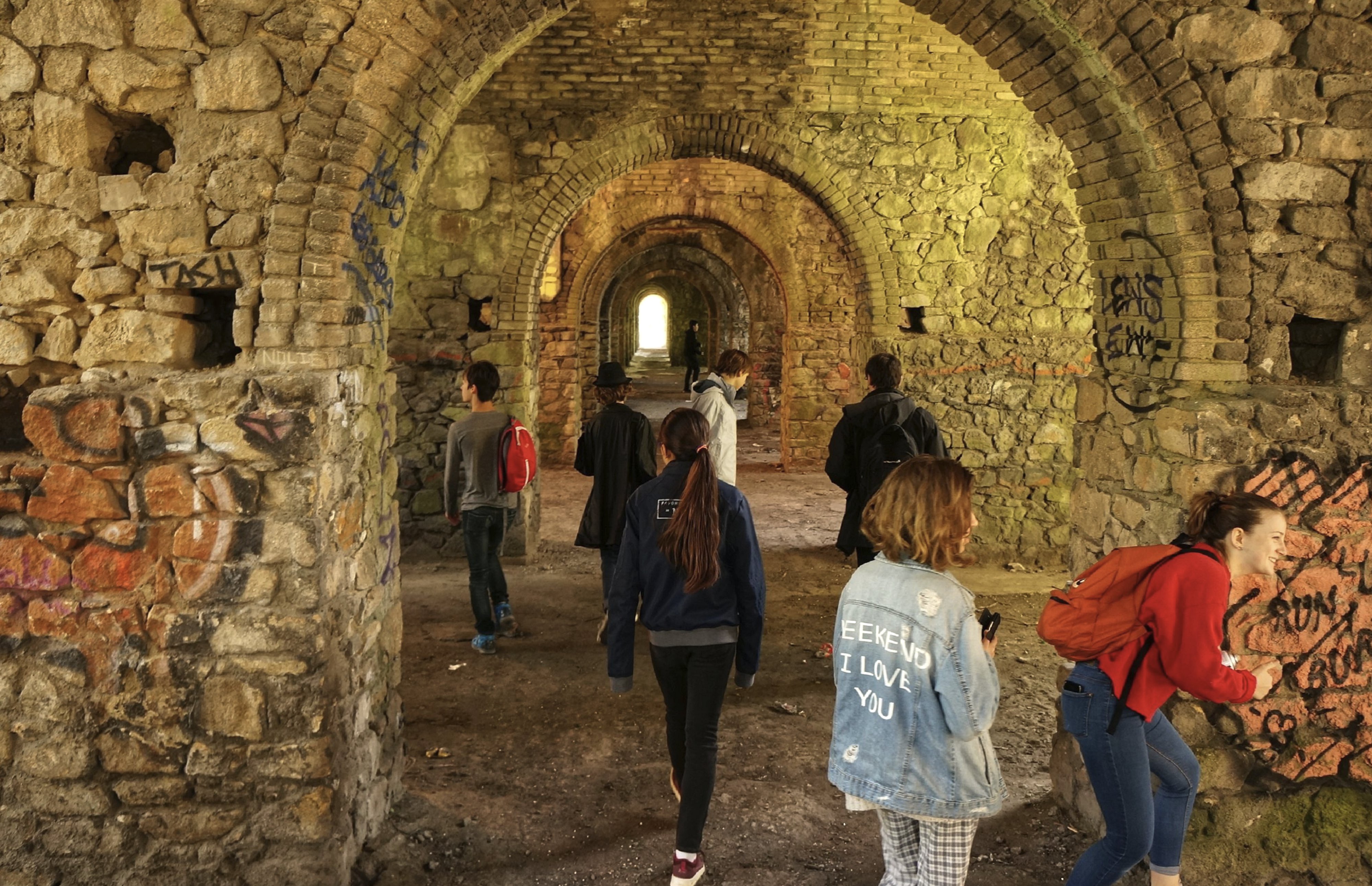
To foster intercultural dialogue, we need to legitimize cultural practices that are unknown to us, without ranking them above our own. This openness is essential for building bridges between different realities, as shown by the example of young people’s cultural practices, which are often considered “less noble”.
What is culture?
Cultural practices are extremely diverse in terms of their subjects, methods and very definitions. For some, it’s just the visual arts; for others, it’s built heritage; for still others, intangible heritage. But what built or intangible heritage are we talking about, and according to what criteria? The field is vast and diverse.
If we want to provide cultural offerings that resonate with people who are foreign to our universe - in their culture as well as in their cultural and heritage practices - it’s obvious that we can’t know these practices a priori. We are each enclosed in our own universe, in our own “filter bubble”, as we say today.
Connecting with the otherness of the future
Consequently, the only way to create links with others and respect them is to legitimize practices we don’t know - and above all, not to presuppose that they are inferior to those we have mastered.
This phenomenon is particularly visible with regard to young people, whose practices are often deemed less noble than those of adults.
This approach might appear to be a form of cultural relativism, or even a denial of the value of what must be passed on. Not at all: cultural history is precisely made up of objects which, one day, are not legitimate and, the next day, become so. On the contrary, it’s about anticipating and building bridges between a reality that exists but is still unknown to us, and our own, different reality.


